
 |
|
|
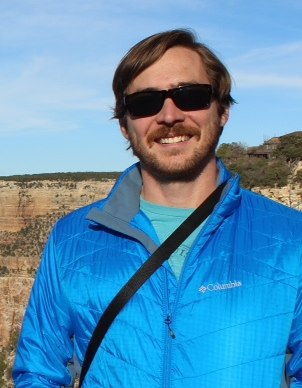 Marty Cowles
 I received my Bachelor of Science in Biology from SDSU in the spring of 2007. After a year of working at Illumina as a Research Associate, I began the Master’s degree program in Cell and Molecular Biology at SDSU and joined the laboratory of Dr. Ricardo Zayas to study tissue regeneration in the planarian Schmidtea mediterranea. There, I investigated the role of neuronal migration genes in planarian adult stem cells, identifying a lissencephaly-1 homolog that it is required for mitotic progression (Cowles et al, 2012). In the fall of 2010, I was accepted into the Joint Doctoral Program in Cell and Molecular Biology at UCSD and SDSU and continued my studies in the Zayas laboratory. For my Ph.D., I performed a genome-wide assessment of the basic Helix Loop Helix (bHLH) transcription factor gene family, identifying nine bHLH factors with roles in adult neurogenesis and nervous system regeneration in planarians (Cowles et al, 2013). From this screen I identified a planarian homolog of COE, a highly conserved atypical bHLH associated with human diseases including Alzheimer’s Disease and glioblastoma. I identified new COE targets in mature neurons and differentiating stem cells by comparing the transcriptome profiles of control and coe-deficient animals, revealing novel insights into how defects in COE contribute to nervous system dysfunction. During my graduate tenure, I was recognized as an Achievement Reward for College Scientists (ARCS) Scholar and an Inamori Fellow. It was a great pleasure to have the wonderful opportunity to work with Dr. Zayas, whose passion and enthusiasm for science is truly an inspiration. In addition, fellow colleagues in the Zayas lab and throughout the Biology department helped to make my graduate training an enriching, fulfilling, and all around entertaining experience. In March of 2014, I joined the Anton lab as a postdoctoral researcher and the University of North Carolina, Chapel Hill. My research goals in the Anton lab are aimed at investigating developmental mechanisms that underlie construction and maintenance of the mammalian neocortex, with an emphasis on how defects in these processes contribute to neurodevelopmental or psychiatric disorders in humans.
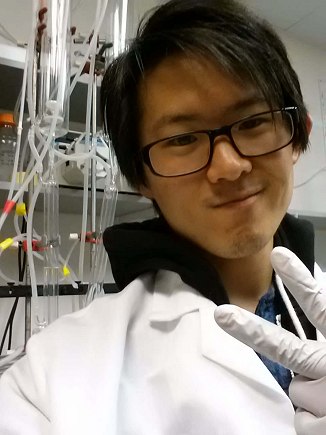 Jon Sin
 My doctoral research was a collaborative project with Dr. Roberta A. Gottlieb and Dr. Ralph Feuer. It revolved around coxsackieviral infections of the heart, specifically looking at how an early subclinical infection with coxsackievirus B (CVB) could manifest in a late-onset predisposition to heart failure late in life. This story always intrigued me because CVB infections are actually rather common within the population, however because acute symptoms are typically relatively mild, these types of infections often fly under the radar. Our research revealed that even an asymptomatic infection can sensitize the heart to devastating cardiac damage, and we believe this is because CVB profoundly disrupts the pool of stem cells that reside in the myocardium, impairing their function. Without the participation of these cells, the heart cannot compensate for increased cardiac load, and this eventually causes the heart to undergo maladaptive pathological remodeling. These findings have been submitted for publication and are currently under review.
I am incredibly grateful for my co-mentors, Robbie and Ralph for being amazing teachers and friends. I’m also very lucky to have gotten to work with a lot of incredible people in both the Gottlieb lab and the Feuer lab throughout the course of this project.
Finally, I feel really honored and blessed to be a part of the SDSU CMB department: the most brilliant, fun, and attractive group of people that ever existed.
For my post-doctoral research, I will be moving up to the Cedars-Sinai Medical Center examining how exosomes mediate cardiac inflammation. As I sit at my new lab bench I will be sad when think about all the wonderful times I had at SDSU. This is a bad thing because I am told that tears can contaminate your samples.
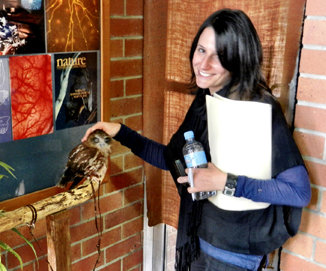 Dana Willner
My PhD work in Professor Forest Rohwer's lab was focused on comparative studies of microbial and viral communities in human and animal health and disease, as well as developing new computational and statistical tools for the analysis of high-throughput sequencing data. In 2009, I developed a novel bioinformatic/biostatistical method for the analysis of high-throughput sequence data in the context of metagenomics (Willner et al., 2009, Environmental Microbiology). This method uses oligonucleotide usage patterns to characterize metagenomic sequences, and provides a breakthrough in the analysis of environmental sequences. Following this, working with Dr. Douglas Conrad of the UCSD Medical Center, we completed a comparative study of viral communities in cystic fibrosis (CF) and non-cystic fibrosis (Non-CF) individuals (Willner et al., 2009, PLoS ONE; Willner and Furlan, 2010, Virulence). We determined that the disease state is hallmarked by aberrant metabolic functions, as opposed to the presence of specific taxa, a completely novel finding. This suggests that the way cystic fibrosis is currently treated (i.e. through the application of antibiotics targeted at specific taxa) may be inefficient, and that future efforts should be directed at changing microbial and viral metabolisms and the environment of the airway. Subsequently, we analysed microbial and viral communities in pre-transplant and post-mortem cystic fibrosis lung tissue to determine the degree of heterogeneity in CF lung infections (microbial communities: Willner et al., 2011, ISME Journal, viral communities: manuscript in review). Characterization of the viral community led to the discovery of a novel annellovirus and the detection of a human papillomavirus previously unknown to infect lung tissue. In a conurrent study of viruses in the healthy human oropharynx, we found a bacteriophage in the oral cavity which is linked to bacterial virulence in infective endocarditis (Willner et al., 2011, PNAS). This phage had never previously been found in healthy individuals or the oral cavity, and may represent a significant risk factor for infective endocarditis.
A portion of my doctoral work was funded by Cystic Fibrosis Reasearch Inc., and I also received personal support from an ARCS scholarship from 2006-2010 for which I am especially grateful. I would like to thank my mentor, Dr. Forest Rohwer, for teaching me how to think critically, how to write scientifically, and most importantly, how to stand up for what I believe in. I am also indebted to the members of the Rohwer lab for their support both scientifically and personally, as well as to the Wolkowicz lab, Gina Spidel and Leslie Rodelander for their invaluable assistance.
After completing my dissertation work I moved to Brisbane, Australia to become a Post-doctoral research fellow at the University of Queensland. Working at the Australian Centre for Ecogenomics under the guidance of Professor Phil Hugenholtz, I am primarly studying the microbial ecology of bacterial infections in lung transplant patients and how these communities change over time both in the respiratory tract and at other body sites following transplantation. This work has been partially funded by a fellowship from the Australian-American Foundation and a grant from the University of Queensland. I am also an Affiliate Research Fellow at the University of Queensland Diamantina Institute, working on projects to evaluate the efficacy of genotyping arrays and discover genetic markers associated with autoimmune diseases.
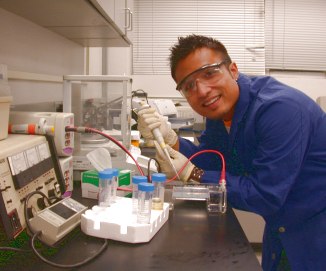 Michael Virata
While in the lab of Dr. Robert Zeller, Michael Virata was the lead researcher in the development of an invertebrate chordate model to examine Alzheimer’s disease pathogenesis. Through the use of ascidians, or sea squirts, Michael examined various aspects of AD pathogenesis including the processing of the human amyloid precursor protein (hAPP), amyloid beta (Aβ) plaque formation, and Aβ-mediated neurotoxicity. By generating transgenic ascidian larvae expressing hAPP alone, Michael showed that Aβ peptides can be produced that can subsequently aggregate to form Aβ-containing plaques detectable within 23 hours post fertilization. He went on to demonstrate that expressing familial AD-associated hAPP mutants caused a significant increase in plaque formation in vivo. Michael’s research also found that nervous system-specific expression of the processed Aβ peptide caused observable alterations in larval behavior. Importantly, the treatment of Aβ-expressing larvae with an inhibitor of amyloid aggregation reduced plaque load and improved alterations in larval behavior. Michael believes that through the use of this ascidian AD model, fundamental questions regarding the molecular mechanisms coordinating AD pathogenesis may be answered. Furthermore, due to their small size and experimental tractability, the ascidian may allow for cost-effective and rapid screening of candidate therapeutic compounds for AD early in the drug development process. Part of this work was recently published in the journal Disease Models & Mechanisms while another portion is currently being prepared for publication. This research was funded by the National Science Foundation, the SDSU MBRS/IMSD Program, and the Invitrogen Corporation Fellowship Award. While pursuing his doctoral studies, Michael also completed an MBA in Finance from the SDSU College of Business and also served one year as the Graduate Student Representative for the Cell and Molecular Biology department. Michael is currently a Scientist at Illumina Inc. in San Diego helping with the development of their sequencing technologies and also manages several projects through their custom genotyping platform.
 Ross Whittaker
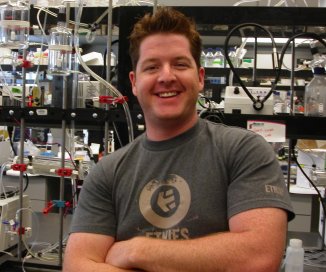
My work in Dr. Chris Glembotski’s lab focused on the role of the small heat shock protein alpha B-crystallin in protecting the heart from ischemic injury. I was interested in understanding several different mechanisms by which alpha B-crystallin could protect the heart. The first mechanism that I explored concerned the ability of alpha B-crystallin to protect mitochondrial function and integrity during ischemia-reperfusion stress, such as during a heart attack. Alpha B-crystallin is a unique protein in that during non-stressed conditions it exists primarily in the cytosol, but upon experiencing stress it re-distributes to several different cellular locations, including the mitochondria. We were able to demonstrate that in the heart, alpha B-crystallin translocated from the cytosol to the mitochondria within 10 minutes following the onset of ischemia and that levels of alpha B-crystallin remained elevated at the mitochondria during reperfusion. We also found that alpha B-crystallin inhibited the release of cytochrome c from the mitochondria, possibly through interactions with VDAC and BAX. This work was accepted for publication in the American Journal of Physiology: Heart and Circulatory Physiology. The second mechanism that I explored concerned the effects of alpha B-crystallin on redox regulation in the heart. This work is currently in preparation for submission to a journal that is yet to be determined.
This work was funded by the NIH and through a fellowship from the Rees-Stealy Research Foundation, which I was awarded from 2005-2008. I also need to thank my fellow colleagues in Dr. Glembotki’s lab, and of course Dr. Glembotski for his excellent mentorship during my time in his lab. I would also like to thank Dr. Sandy Bernstein for his work in creating the San Diego State Ph.D./MBA program, which I had the pleasure of taking part in, and resulted in me receiving my MBA from the San Diego State School of Business in Spring 2008.
After completing my dissertation work I took a position as a research scientist at Vala Sciences, a San Diego biotech company that develops assays and software for high content image analysis. I am also working with Dr. Glembotski on developing a separate area of my dissertation research into a new start-up biotech company.
 Gerardo Perez
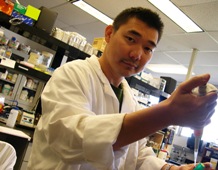
Gerardo’s work in Stanley Maloy’s lab focused on a virus called bacteriophage P22 which specifically infects Salmonella Typhimurium. Understanding how the phage DNA gets into its host could provide vital information in using phages in treating bacterial infections. Phage therapy can be used in conjunction with antibiotics to treat pathogenic infections caused by antibiotic resistant bacteria like methicillin-resistant Staphylococcus aureus, Pseudomonas aeruginosa, E. coli and Enterococcus faecalis. Phages and phage proteins can also be used to kill agents of bioterrorism such as Bacillus anthracis. Gerardo used phage P22 to study the mechanism of phage DNA transport across the cytoplasmic membrane of its host since a lot of information is already known about P22 and its host Salmonella. Gerardo’s experiments showed that the phage-encoded proteins (gp16, gp20, and gp7) mediate transport of DNA across liposomal membranes. Transport of 32P-labeled DNA into liposomes occurred only in the presence of gp16 and an artificially-created membrane potential. Taken together, these results suggest that gp16 mediates the active transport of P22 DNA across the cytoplasmic membrane of Salmonella.
This work was accepted by the Journal of Bacteriology for publication while the research on the bioenergetics involved in the transport of phage P22 DNA across the cytoplasmic membrane of Salmonella was submitted to FEMS Letters. Funding for these projects was provided by NIH/NIGMS MBRS 1R25GM8906-07 and by the generous support of the ARCS Foundation. I would like to take this opportunity to thank my committee members who were extremely supportive in providing me with feedback and guidance. I would also like to express my appreciation for all the help that I received from undergraduates who definitely made research fun and exciting.
I am currently pursuing three potential postdoctoral positions in San Diego. The research project at the UCSD Med Center will use phages in drug delivery and directed evolution for the treatment of cancer. The postdoc position at the UCSD Cancer Center will engineer oncolytic viruses to specifically and efficiently lyse cancer cells and the postdoc project at the La Jolla Institute of Allergy and Immunology will investigate the effects of palmitoylation of signal molecules in T lymphocytes.
 Allen Andres
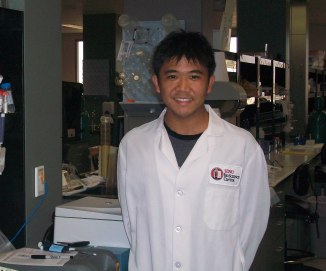
 My work in the lab of the late Dr. Roger A. Davis investigated the role of thioredoxin-interacting protein (Txnip) in regulating metabolism. Loss of Txnip renders mice unable to properly adjust their metabolism in order to survive a fasting challenge. Overnight fasted Txnip knockout mice become hypoglycemic, hypertriglyceridemic, and hyperketotic. Unlike wild-type mice, which can properly mobilize their energy stores, Txnip knockout mice are unable to tolerate more than two nights of food deprivation. We have found that Txnip is important in mitochondria rich oxidative tissues such as the heart and soleus muscles and is necessary for allowing these tissues to switch to using predominantly fat-derived fuels during fasting. This is important for animals in order to spare glucose during an energy insult such as fasting. Lack of Txnip increases glucose uptake and glycolysis, but diminishes mitochondrial oxidation of all major fuel types. Future studies into the mechanism by which Txnip is involved in regulating glucose utilization may be fruitful for developing therapies to help ameliorate the negative effects associated with diabetes.
A portion of my work was recently published in the Proceedings of the National Academy of Sciences this year while another portion is currently in preparation for publication. This work was funded through grants from the National Institutes of Health, and the American Diabetes Association. I was further supported through a generous scholarship from the San Diego Chapter of the ARCS Foundation, and a fellowship from the Rees-Stealy Research Foundation. I am very grateful for the friendship and company of my colleagues in the Davis lab, the administrative staff of the Biology Department, and the lab of Dr. Roberta A. Gottlieb for their support in completing my dissertation. I would like to take this opportunity to thank my late mentor, Dr. Roger A. Davis for instilling in me the principle of, “work hard-play hard” which has been a very important factor for my success in graduate school.
After completing my doctoral dissertation I have chosen to take up a postdoctoral position in the lab of Dr. Roberta A. Gottlieb in order to complement the biochemical expertise I gained as a graduate student in the lab of Dr. Roger A. Davis with her lab’s expertise in microscopy and molecular techniques.


